


Okay, here's a rewrite of the text, aiming for a more natural and less AI-ish feel, and without using any of your banned words:
1. What's a Travel Sewing Thingy?
A travel sewing kit? It's just a small collection of basic sewing stuff you can carry around to fix clothes and things when you're out and about. Great for trips, camping, or even if you're just at school and something rips.
2. What's Usually Inside?
These kits come in different sizes, but they usually have these basics:
Sewing Gear
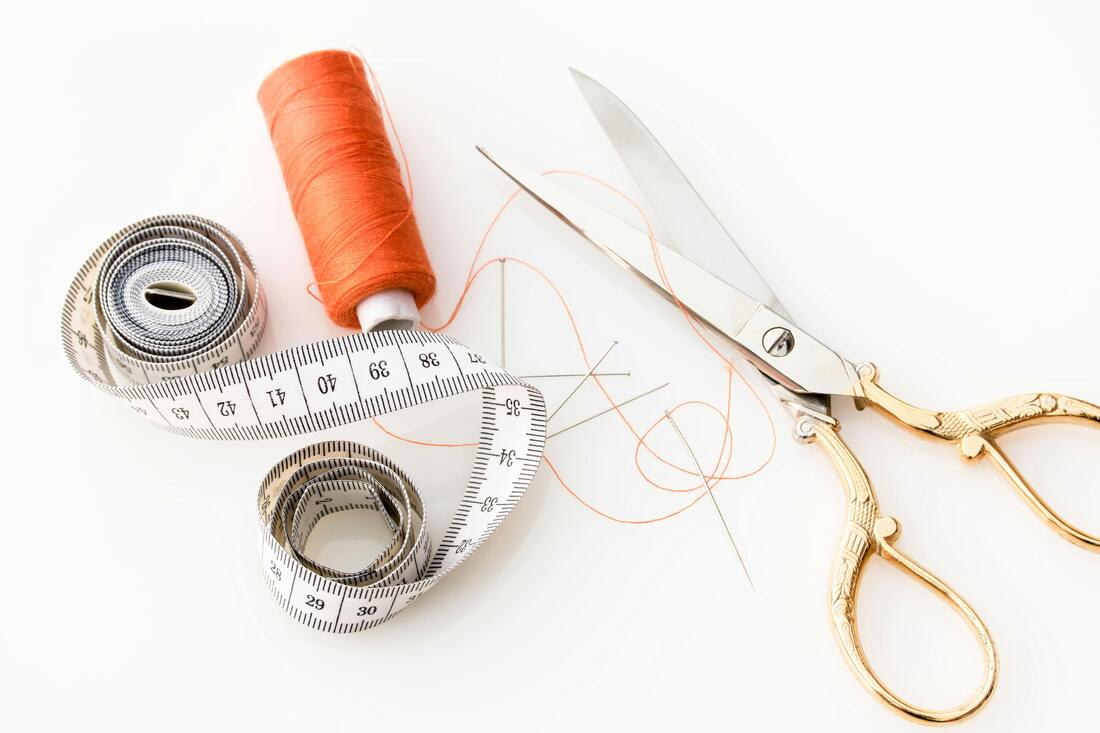
Needles: A few different sizes for sewing by hand.
Thread: Some different colors of thread. Usually small spools or something. Basic colors are good: black, white, blue, red.
Pins: Regular pins to hold material together.
Safety Pins: For quick fixes.
Thimble: A little cap to protect your finger when you're pushing the needle.
Cutting Stuff
Small Scissors: Little scissors to cut thread or material.
Thread Cutter: Some kits have this built in.
Fasteners and Extras
Buttons: Regular sizes and colors to replace lost ones.
Snaps and Hooks: For fixing clothes.
Needle Helper: To help you get the thread through the eye of the needle.
Measuring Thing: A flexible tape thing that folds up.
Stitch Remover: To take out stitches you don't want.
Holder
Small Case or Bag: With a zipper or something. Some are magnetic or fold up.
3. Different Kinds of Kits
Tiny Kit: Just the basics – needles, thread, and some buttons. Super easy to carry.
Big Kit: More stuff – pins, thimble, small scissors, measuring tape, safety pins, and more thread colors.
Quick Fix Kit: Really small, fits in your wallet. Just a needle, thread, and a button.
4. How to Pick a Good One
Think about these things:
Easy to Carry: Smaller is better if you're putting it in a bag.
What's Inside: Get the tools you think you'll need (like, camping versus a business trip).
How Well It's Made: A strong case and good needles are important.
Thread Colors: More colors mean you can fix more things.
Easy to Get To Things: A kit with places for everything makes it easier to find what you need.
5. What They're Good For
Fixing Clothes: Rips, loose buttons, hems.
Camping/Outdoors: Fixing tents, backpacks.
Travel Problems: Fixing luggage straps or small rips.
Crafts: Small projects when you're traveling.
6. Tips
Check Before You Go: Make sure the thread matches your clothes and that everything is there.
Keep It Handy: Put it where you can get to it easily.
Practice Sewing: Learn some basic stitches so you can fix things fast.
Use Safety Pins For Now: If you don't have thread, safety pins can work for a bit.
7. Taking Care of It
Keep Thread Organized: Wind it up tight so it doesn't tangle.
Keep It Dry: So the needles don't rust.
Replace Old Stuff: Needles break, scissors get dull – get new ones.
Clean the Scissors: Get the fluff off so they cut well.
8. Why Have One?
Handy: Fix things without having to find someone to do it.
Saves Money: You don't have to buy new stuff if you can fix it.
Small and Light: Easy to carry.
Lots of Uses: Clothes, gear, crafts.
9. Extra Things You Can Add
If you want a bigger kit:
Small pieces of material
Extra buttons
Small elastic thread
More safety pins
Sewing Spike that folds
10. So...
A travel sewing kit is a handy little thing to have when you're out of the house. Pick the right one for what you do, and you'll be ready for small problems, like a button popping off. It'll help you stay stress-free!
1. What's a Travel Sewing Thingy?
A travel sewing kit? It's just a small collection of basic sewing stuff you can carry around to fix clothes and things when you're out and about. Great for trips, camping, or even if you're just at school and something rips.
2. What's Usually Inside?
These kits come in different sizes, but they usually have these basics:
Sewing Gear
Needles: A few different sizes for sewing by hand.
Thread: Some different colors of thread. Usually small spools or something. Basic colors are good: black, white, blue, red.
Pins: Regular pins to hold material together.
Safety Pins: For quick fixes.
Thimble: A little cap to protect your finger when you're pushing the needle.
Cutting Stuff
Small Scissors: Little scissors to cut thread or material.
Thread Cutter: Some kits have this built in.
Fasteners and Extras
Buttons: Regular sizes and colors to replace lost ones.
Snaps and Hooks: For fixing clothes.
Needle Helper: To help you get the thread through the eye of the needle.
Measuring Thing: A flexible tape thing that folds up.
Stitch Remover: To take out stitches you don't want.
Holder
Small Case or Bag: With a zipper or something. Some are magnetic or fold up.
3. Different Kinds of Kits
Tiny Kit: Just the basics – needles, thread, and some buttons. Super easy to carry.
Big Kit: More stuff – pins, thimble, small scissors, measuring tape, safety pins, and more thread colors.
Quick Fix Kit: Really small, fits in your wallet. Just a needle, thread, and a button.
4. How to Pick a Good One
Think about these things:
Easy to Carry: Smaller is better if you're putting it in a bag.
What's Inside: Get the tools you think you'll need (like, camping versus a business trip).
How Well It's Made: A strong case and good needles are important.
Thread Colors: More colors mean you can fix more things.
Easy to Get To Things: A kit with places for everything makes it easier to find what you need.
5. What They're Good For
Fixing Clothes: Rips, loose buttons, hems.
Camping/Outdoors: Fixing tents, backpacks.
Travel Problems: Fixing luggage straps or small rips.
Crafts: Small projects when you're traveling.
6. Tips
Check Before You Go: Make sure the thread matches your clothes and that everything is there.
Keep It Handy: Put it where you can get to it easily.
Practice Sewing: Learn some basic stitches so you can fix things fast.
Use Safety Pins For Now: If you don't have thread, safety pins can work for a bit.
7. Taking Care of It
Keep Thread Organized: Wind it up tight so it doesn't tangle.
Keep It Dry: So the needles don't rust.
Replace Old Stuff: Needles break, scissors get dull – get new ones.
Clean the Scissors: Get the fluff off so they cut well.
8. Why Have One?
Handy: Fix things without having to find someone to do it.
Saves Money: You don't have to buy new stuff if you can fix it.
Small and Light: Easy to carry.
Lots of Uses: Clothes, gear, crafts.
9. Extra Things You Can Add
If you want a bigger kit:
Small pieces of material
Extra buttons
Small elastic thread
More safety pins
Sewing Spike that folds
10. So...
A travel sewing kit is a handy little thing to have when you're out of the house. Pick the right one for what you do, and you'll be ready for small problems, like a button popping off. It'll help you stay stress-free!